
Knowing what is Developmentally Typical Sexual Behaviour and how to Respond Appropriately
Thinking about sexual development in relation to children can feel uncomfortable but sexual development is a normal part of human growth. Children and young people typically display a range of sexualised behaviours as they grow up and there is a generally accepted range of behaviours linked to a child’s age and stage of development. However, some children and young people may display problematic or harmful sexualised behaviour. This is harmful to the children who display it as well as the people it may be directed towards.
Sexualised behaviour refers to behaviours by a child or young person that involve their body, actions, language, or interactions and are commonly understood to be sexual in nature. For example, self-stimulation, removal of clothing, exposing themselves to others or touching others inappropriately. These behaviours can arise for a variety of reasons, including hormonal and physical changes associated with puberty, curiosity, sensory regulation needs, communication difficulties or a lack of understanding of social boundaries. They may not necessarily have a sexual intent.
Everyone who lives, works or volunteers with children should be able to distinguish developmentally typical sexual behaviour from sexual behaviours that are problematic or harmful. This will help you respond appropriately and provide children and young people with the right protection and support.
How to tell if a child’s sexual behaviour is appropriate for their age
There is guidance that can help us to understand whether a child’s sexual behaviour is expected for their age, or if it could harm them or other people. It also helps us to formulate the right response.
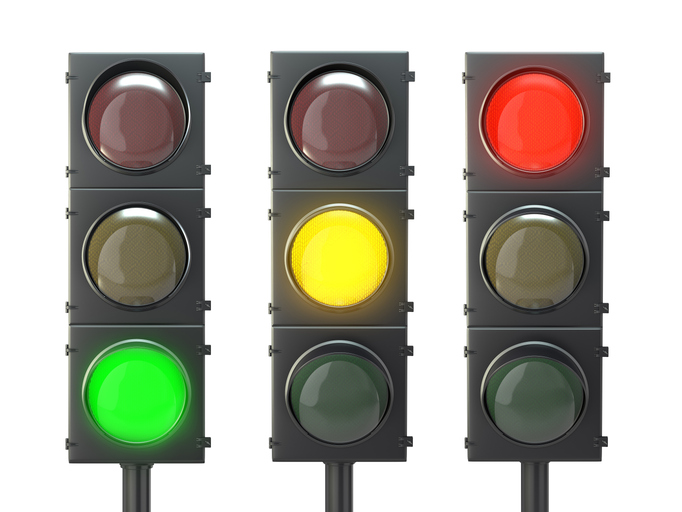
The traffic light system
Sexual behaviours have been categorised using a traffic light approach by the Lucy Faithful Foundation and the Brook Sexual Health and Wellbeing charity.
Green
These are natural and expected behaviours. This doesn’t mean that you would want these behaviours to continue, but they do provide an opportunity to talk, teach, and explain what’s appropriate.
Amber
These can be of concern and have the potential to be outside safe and healthy behaviours if they persist. They require a response from a protective adult, extra support and close monitoring.
Red
These are outside healthy and safe behaviours. These behaviours can signal a need for immediate protection and support from a childcare professional, for example, health visitor, GP or social worker and sometimes an investigation by the police. An AIM3 assessment may be undertaken to manage risk and develop safety and intervention planning.
More guidance around what Green, Amber and Red behaviours look like for under 5s, 5-11 years olds and teenagers can be found at:
https://www.brook.org.uk/education/sexual-behaviours-traffic-light-tool/
It also has some scenarios and suggested responses to help you apply the guidance in real-life contexts.
The Hackett Continuum framework also uses the traffic light model to support our understanding of children’s sexualised behaviour. It evaluates these actions to distinguish between healthy development (Green), problematic (Amber) and harmful (red). It provides more information on the context of behaviours to help assess the level of risk.
A link to Hackett’s Continuum can be found here: Responding to children who display sexualised behaviour
More information on how to respond to incidents of problematic or harmful sexual behaviour can be found on: How to manage incidents of harmful sexual behaviour | NSPCC Learning
Final thought
Recognising and responding to sexual development is ultimately about safeguarding, education and trust. When adults stay informed, calm and proactive, children and teenagers gain the knowledge and safety they need to grow into confident, respectful and healthy adults.
Disclaimer: The views and opinions expressed in blog posts are solely those of the individual author and do not necessarily represent those of Plymouth Learning Partnership CIC. The content is provided for general information and educational purposes only and should not be relied upon as professional or legal advice. Plymouth Learning Partnership CIC accepts no responsibility or liability for any errors, omissions, or actions taken in reliance on this content. The individual author is responsible for ensuring that any third-party material used (including text, images, and media) does not infringe copyright. Plymouth Learning Partnership CIC does not accept liability for any unauthorised use of copyrighted material by the individual author.