
How to make the final week of the school year a positive one
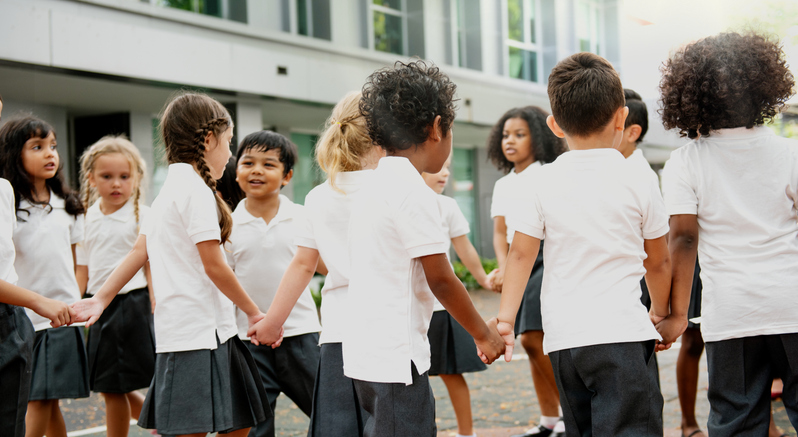
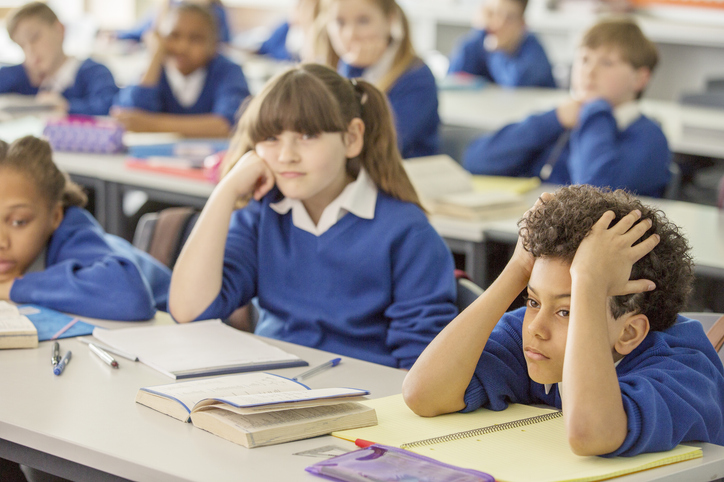
As the summer holidays approach, classrooms often feel very different. Pupils may be excited, tired, distracted, or even anxious about the changes ahead. Teachers are balancing end-of-year administration with trying to keep learning meaningful, while parents may notice their children coming home more exhausted than usual.
Educational psychology offers valuable insights into why the final week of term feels so different—and, more importantly, how we can make it a positive and productive experience.
1. Recognise Cognitive Fatigue
By the end of the academic year, many pupils have been working consistently for months. Their attention, working memory, and self-regulation can become depleted, making it more difficult to focus on demanding tasks.
Rather than interpreting reduced concentration as a lack of effort, consider it a natural consequence of sustained cognitive demand. Shorter activities, movement breaks, and opportunities for collaboration can help maintain engagement without overwhelming learners.
2. Prioritise Reflection Over New Content
The final week is an ideal time to consolidate learning rather than introduce large amounts of new information.
Encouraging pupils to reflect on what they have learned throughout the year strengthens metacognition—the ability to think about one's own learning. Activities such as creating learning portfolios, writing letters to their future selves, or discussing their proudest achievements help reinforce knowledge while developing confidence.
Reflection also allows pupils to recognise their progress, an important factor in building motivation and self-efficacy.
3. Use Retrieval Practice to Strengthen Memory
Educational psychology consistently shows that retrieving information from memory improves long-term retention more effectively than simply rereading notes.
The final week provides an excellent opportunity for low-pressure quizzes, classroom games, concept maps, or "What can you remember?" challenges. These activities help consolidate learning while maintaining a fun and engaging classroom atmosphere.
Retrieval practice is particularly effective when it feels like celebration rather than assessment.
4. Acknowledge the Emotional Transition
While many children are excited for the summer break, others may experience mixed emotions. Leaving familiar routines, saying goodbye to teachers, or moving to a new class can create uncertainty.
Creating space to talk about these feelings helps pupils develop emotional literacy and resilience. Celebrating achievements, sharing favourite memories, and discussing hopes for the next academic year can provide a sense of closure and optimism.
Positive endings matter because our memories are often shaped by how experiences conclude.
5. Remember That Rest is Part of Learning
Learning does not stop when the school gates close. During periods of rest, sleep, play, and exploration, the brain continues to consolidate information and develop new connections.
Parents should not feel pressured to recreate school during the summer holidays. Reading for pleasure, visiting museums, exploring nature, playing games, cooking together, or simply having conversations all contribute to children's cognitive, social, and emotional development.
Sometimes, the most valuable learning happens when children have the time and freedom to be curious.
Final Thoughts
The final week of term is about more than counting down to the holidays. It is an opportunity to celebrate progress, strengthen confidence, and help pupils finish the year feeling successful.
By recognising cognitive fatigue, encouraging reflection, reinforcing learning through retrieval practice, supporting emotional wellbeing, and valuing rest, teachers and parents can help children transition into the summer with positive memories and renewed motivation.
After all, educational psychology reminds us that how we end an experience often shapes how we remember it—and those memories can influence learners long after the final school bell has rung.
References
- Bjork, R.A. and Bjork, E.L. (2011) 'Making things hard on yourself, but in a good way: Creating desirable difficulties to enhance learning', in Gernsbacher, M.A., Pew, R.W., Hough, L.M. and Pomerantz, J.R. (eds.) Psychology and the Real World: Essays Illustrating Fundamental Contributions to Society. New York: Worth Publishers, pp. 56–64
- Dweck, C.S. (2006) Mindset: The New Psychology of Success. New York: Random House
- Flavell, J.H. (1979) 'Metacognition and cognitive monitoring: A new area of cognitive-developmental inquiry', American Psychologist, 34(10), pp. 906–911
- Hattie, J. (2023) Visible Learning: The Sequel. London: Routledge
- Karpicke, J.D. and Blunt, J.R. (2011) 'Retrieval practice produces more learning than elaborative studying with concept mapping', Science, 331(6018), pp. 772–775
- Panadero, E. (2017) 'A review of self-regulated learning: Six models and four directions for research', Frontiers in Psychology, 8, Article 422
- Sweller, J. (1988) 'Cognitive load during problem solving: Effects on learning', Cognitive Science, 12(2), pp. 257–285
- Zimmerman, B.J. (2002) 'Becoming a self-regulated learner: An overview', Theory Into Practice, 41(2), pp. 64–70
Disclaimer: The views and opinions expressed in blog posts are solely those of the individual author and do not necessarily represent those of Plymouth Learning Partnership CIC. The content is provided for general information and educational purposes only and should not be relied upon as professional or legal advice. Plymouth Learning Partnership CIC accepts no responsibility or liability for any errors, omissions, or actions taken in reliance on this content. The individual author is responsible for ensuring that any third-party material used (including text, images, and media) does not infringe copyright. Plymouth Learning Partnership CIC does not accept liability for any unauthorised use of copyrighted material by the individual author.