How Speech & Language Therapists can Support this Significant Milestone
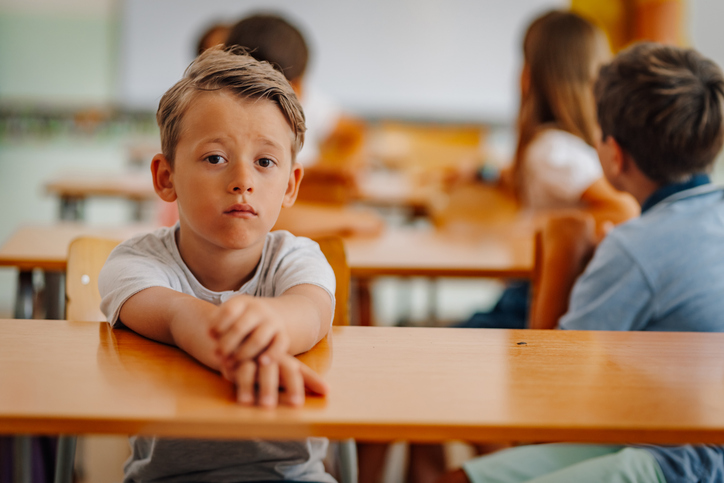
Transitioning from primary to secondary school is a significant milestone for any child. The expectation is for children to navigate new buildings, different routines, multiple teachers, new subjects as well as an increase in academic demand. These changes can feel both exciting and overwhelming at the same time. For children with speech, language and communication needs (SCLN), this period of change can present further challenges.
This is particularly the case with the large demand on language skills. Secondary school children are required to understand new and complex vocabulary, follow multi-step instructions and engage in abstract thinking. They are encouraged to be independent in seeking support, participate in group discussions, manage timetables and navigate changes in social communication and peer relationships.
For children with SCLN this can lead to anxiety, reduced confidence or misunderstandings in classrooms when adequate steps to support are not put into place.
As Speech and Language Therapists we often support children and families during this crucial transitioning period to ensure they feel confident, understood and able to access their learning by promoting the following strategies:
Preparation is key
- Promoting positive transitions through enhanced transition, this will allow additional visits to the school, allowing time to navigate and familiarise with the school environment
- Ensure children have a clear understanding of what to expect prior to starting, discuss timetables, teachers and routines
- Practising daily routines in advance, e.g., bus routines or schedules and using maps and photographs can support familiarisation and reduce uncertainty
- Visuals can be crucial in supporting transition and as a support alongside learning, for example visual timetables, checklists, labelled diagrams and symbols alongside written and verbal information
Social communication
- Supporting communication skills and emotional resilience is also vital when transitioning. Within secondary schools, peer relationships can change dramatically, therefore prior support to understand social rules and how to resolve conflict can be helpful
- Help by explicitly teaching social language skills, for example how to start conversations, cope with misunderstandings and ask for clarification
- Role-play can be helpful to prepare for interactions or ‘what would you do if …’? Question cards can provide scenarios to help navigate social situations, building confidence in dealing with challenges before they arise
Collaborate with professionals
- Collaboration between primary, secondary schools, parent/guardians and their children is key
- Collaboration provides continuity in support and eases transition
- Provide an ‘all about me’ profile to secondary schools which outlines the needs of the child, highlights their strengths and positive strategies which they find supportive e.g., additional processing time, red/green cards to hold up to show they need help or visuals which have supported them in their primary setting. This allows the secondary school to make reasonable adjustments where possible
Supporting in a school
- Allow for extra time to process information and form a response
- Pre-teach new vocabulary to familiarise themselves with the new terminology. Word webs can support and be referred back to during learning
- Provide written instructions and visuals alongside verbal information or break down instructions into smaller chunks
- Encourage independence gradually, initially organising equipment and then adding additional tasks as they gain confidence
Transition is not a single moment, but a process that continues throughout the first year and beyond. With the right preparation, understanding and communication support, children with SLCN can thrive in secondary school. By working together and focusing on each child’s individual needs, we can help make this important step a positive and empowering experience.
Disclaimer: The views and opinions expressed in blog posts are solely those of the individual author and do not necessarily represent those of Plymouth Learning Partnership CIC. The content is provided for general information and educational purposes only and should not be relied upon as professional or legal advice. Plymouth Learning Partnership CIC accepts no responsibility or liability for any errors, omissions, or actions taken in reliance on this content. The individual author is responsible for ensuring that any third-party material used (including text, images, and media) does not infringe copyright. Plymouth Learning Partnership CIC does not accept liability for any unauthorised use of copyrighted material by the individual author.