
How Art Therapy Supports Children’s Confidence through Process rather than Outcome
The Pressure of Results
During this season of exams and tests, I have been thinking about how results can leave children either feeling confident in their abilities or feeling that there is only one way to succeed. For some children, especially those who already experience challenges in school, this can lead to lower confidence and a fear of getting things wrong. Although of course, tests and exams are important measures for schools.
A child recently told me he was worried about going down a level in his reading assessment, and it seemed to affect his confidence in other areas too. It reminded me how art therapy can help build confidence in a very different way — through process rather than outcome.
Confidence Through Creativity
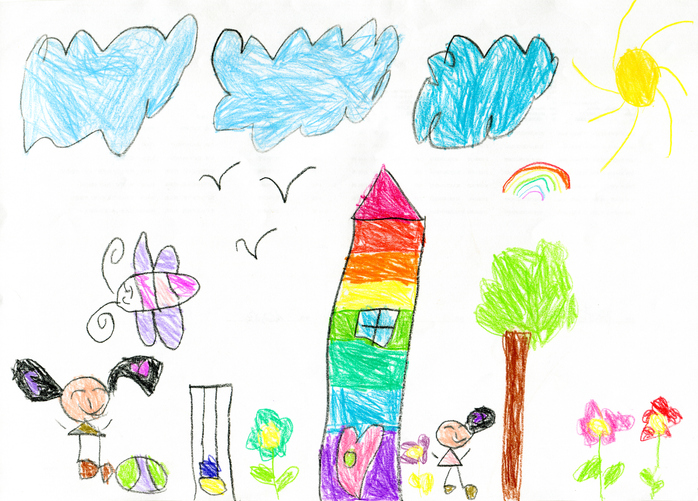
Within art therapy sessions, there is no expectation to be “good” at art or produce the perfect piece of work. The focus is placed on the creative process instead. I often use the words explore, experiment and express with the children I work with, helping to build self-awareness in a safe therapeutic space.
If school feels challenging for a child, art therapy can feel freeing because there is no “wrong” way to create, no judgement and no pressure to achieve. These experiences can help children feel more relaxed about trying something new and less afraid of making mistakes.
Building Resilience Through Process
Through creativity and exploration, children often begin taking small risks, sharing ideas, expressing emotions and making independent choices. Over time, this can help build self-trust and resilience.
Art therapy can also support children who compare themselves negatively to others. In many outcome-based environments, children quickly become aware of who is seen as “good” at certain subjects or activities. In art therapy, however, the focus shifts from achievement to personal expression, helping children feel seen for who they are rather than simply for what they produce.
More Than Results
Confidence built through process is often more sustainable than confidence built solely on praise or results. When children learn that mistakes are acceptable and curiosity is encouraged, they are more likely to develop a healthier relationship with themselves and with learning.
Perhaps the most valuable thing we can offer children is not the pressure to always achieve, but the reassurance that they are more than their results. Confidence often grows quietly, not through getting everything right, but through feeling safe enough to keep trying.
A Space to Grow
I hope art therapy continues to offer children a place where they can explore who they are beyond achievement and learn to value themselves and grow in confidence as the unique human beings they are.
Further reading
- Carol Dweck — Mindset
- Cathy Malchiodi — The Art Therapy Sourcebook
- Donald Winnicott — Writings on play and creativity
Disclaimer: The views and opinions expressed in blog posts are solely those of the individual author and do not necessarily represent those of Plymouth Learning Partnership CIC. The content is provided for general information and educational purposes only and should not be relied upon as professional or legal advice. Plymouth Learning Partnership CIC accepts no responsibility or liability for any errors, omissions, or actions taken in reliance on this content. The individual author is responsible for ensuring that any third-party material used (including text, images, and media) does not infringe copyright. Plymouth Learning Partnership CIC does not accept liability for any unauthorised use of copyrighted material by the individual author.