
Supporting Relationships, Communication and a Sense of Belonging
Bringing two families together can be an exciting new beginning, but it can also take time for everyone to adjust. Children may experience a mixture of emotions as they adapt to new family members, routines and expectations. Building positive relationships within a blended family is a gradual process. With patience, consistency and opportunities to spend quality time together, families can develop strong connections and create a sense of belonging for everyone.
Create new family traditions
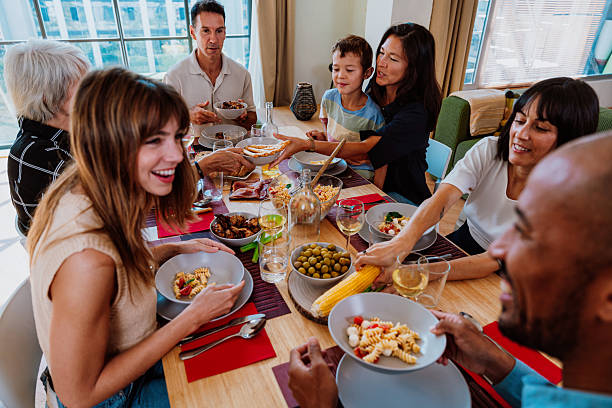
Developing shared family traditions can help everyone feel included and give children something positive to look forward to. This could be a weekly movie night, a family meal, a Sunday walk, baking together or a regular family day out.
Make time for one-to-one relationships
While spending time together as a whole family is important, children also benefit from having individual time with their parent or other family members. This can reassure children that they are still important and have their own special relationship with you.
Give relationships time to develop
It is natural for relationships within a blended family to take time. Children should not feel pressured to immediately see a step-parent or step-sibling in a particular way. Focus initially on developing trust, respect and positive experiences.
Encourage open communication
Children can experience a range of emotions when family circumstances change. They may feel happy and excited at times, while also experiencing sadness, anger, jealousy or uncertainty. Creating a safe space where children can talk about their feelings can help them feel understood and supported.
Celebrate what makes your family unique
Blended families bring together different personalities, experiences, traditions and routines. Rather than expecting everyone to do things in the same way, celebrate these differences and give each family member opportunities to share what is important to them.
Make time for fun
Connection doesn’t always need to involve serious conversations. Shared laughter and positive experiences can help relationships grow naturally. Playing games, cooking, visiting the park, having a family challenge or planning a day out can all create opportunities to connect.
Be patient and celebrate small steps
There may be disagreements, challenging days and times when family life feels difficult. This is normal. Avoid expecting everyone to settle into their new family roles immediately. Instead, focus on small steps and recognise the progress your family is making.
There is no perfect way to build a blended family. Every family is different, and what works for one family may not work for another. Be patient with yourselves and your children, keep communication open and focus on creating positive experiences together.
Most importantly, remember that connection is built through everyday moments. A conversation in the car, a shared joke, a bedtime story or sitting down for dinner together can all help create a stronger family bond. Small moments of connection can make a big difference.
By allowing relationships to develop naturally, listening to your children and making time to enjoy experiences together, you can help build strong, positive and supportive family relationships. With patience, understanding and consistency, your blended family can develop its own sense of identity, strengthen connections and create lasting, happy memories together.
Disclaimer: The views and opinions expressed in blog posts are solely those of the individual author and do not necessarily represent those of Plymouth Learning Partnership CIC. The content is provided for general information and educational purposes only and should not be relied upon as professional or legal advice. Plymouth Learning Partnership CIC accepts no responsibility or liability for any errors, omissions, or actions taken in reliance on this content. The individual author is responsible for ensuring that any third-party material used (including text, images, and media) does not infringe copyright. Plymouth Learning Partnership CIC does not accept liability for any unauthorised use of copyrighted material by the individual author.